

A sole entrepreneur is a person who builds, runs and grows a business entirely on their own. There are no co-founders, no employees and no boss to report to. One person makes the decisions, does the work, talks to the customers and keeps the profit. That is the whole business model, and for a growing number of people, it is also the whole point.
You may know it as solopreneur, the word blogs and podcasts use most. The idea is not new: self-employed writers, shopkeepers and tradespeople have always run one-person businesses. What changed is the internet. Today a single person with a laptop can sell to customers in other countries, charge for advice and run a shop that never closes.
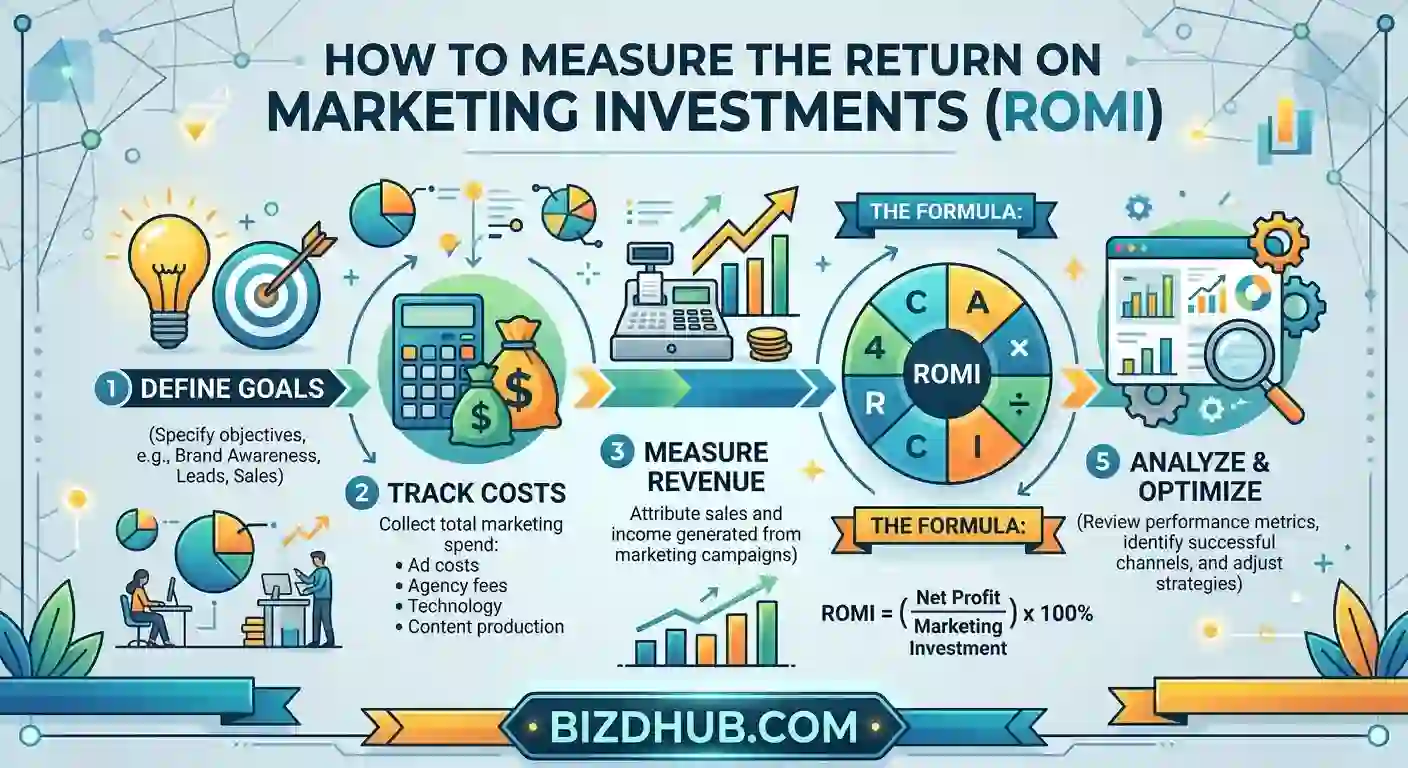
A sole entrepreneur still has to do what every business does: set goals, watch costs, see where the money comes from and fix what is not working. One person does all of it, so keeping score matters even more.
What Is a Sole Entrepreneur?
A sole entrepreneur is someone who creates a business and operates it alone, from the first idea to the daily work. They usually do the marketing, the selling, the customer service and the admin themselves. The business is theirs. If it goes well, they take the reward. If it goes badly, there is nobody else to carry it.
People become sole entrepreneurs for different reasons. Some want to work from home so they can be there for their children. Some are good at a skill — writing, coding, designing, coaching, repairing — and realise they could sell it directly instead of doing it for an employer.
Common examples are easy to picture: a freelance writer with five clients a month, a designer who sells logos through a simple website, a coach who runs online sessions across three time zones, a seller who runs an online store from a spare room, or a writer who earns from adverts and memberships. None of them needs an office or a team to begin.
Sole Entrepreneur vs. Freelancer vs. Sole Proprietor
These three terms describe overlapping ideas, and they get mixed up a lot. Sorting them out matters, because each one carries different rules and different expectations.
A freelancer is someone who sells their time and skills to clients, usually by the hour or by the project. A sole entrepreneur is broader than that. They may freelance too, but they also build something that exists beyond their hours: a website, a course, a shop, a subscription, a brand. A freelancer sells their labour; a sole entrepreneur builds a business, and freelancing might be only one part of it.
A sole proprietor, on the other hand, is a legal label, not a way of working. In many countries, including the United States, there is a default rule. If you run a business as an individual without registering a company, the law treats you as a sole proprietor. You report the income on your personal tax return, and you are personally responsible for the business debts. The two words answer different questions: solopreneur says how you work — alone. Sole proprietor says how the business is set up legally.
If you are unsure which structure fits you, read the IRS guidance on sole proprietorships and the comparison at Accion before you register anything. It is a short read that can save you a long misunderstanding with the tax office.
The Pros and Cons of Going It Alone
The freedom is real, and so are the trade-offs. It helps to look at both honestly before you commit.
On the plus side, you are in charge. You choose the work, the clients, the prices and the hours. The costs are low: no wages, no office rent, no payroll. A laptop, an internet connection and a place to work are often enough to get going. You keep the profit, and when the business grows, the growth is yours. You can also move fast — no meetings to approve a price change or a new product, no one to convince.
But there are real downsides too. You carry everything yourself, and that can be lonely. There is nobody to take over when you are ill. Your income depends on your time and energy, so holidays and sick days cost you directly. And there is a ceiling: one person only has so many hours, so a sole entrepreneur who sells time will eventually run out of time to sell. That is why the best ones find ways to earn beyond their hours — products, subscriptions, courses — things that keep selling after the work is done once.
There is also the risk of burnout. When the business is you, it is hard to switch off: the emails follow you to dinner and the ideas keep coming at midnight. Setting boundaries is not a luxury; it is part of the job. The people who last set working hours and treat rest as a business investment, not a reward.
How to Become a Sole Entrepreneur in 7 Steps
Starting sounds big, but it breaks down into small, practical steps. Work through them in order, and do not skip the boring ones.
- Pick a skill or problem you can sell. Start with what you are already good at, or a problem you have solved for yourself. A designer who keeps getting asked for cards, a bookkeeper who explains tax in plain English — both started with a skill someone would pay for. The U.S. Chamber’s guide to solopreneurship makes the same point: a solid idea is built on a real need, not just a passion.
- Check that people will pay for it. Before you spend anything, talk to ten people who might buy. Ask what they pay now, what frustrates them and what would make them switch. A few honest conversations are worth more than a hundred likes on a post.
- Choose a business name and get the legal basics in place. Pick a name you can use for a domain, a social handle and an invoice. Register it if your country requires it, sort out any licences for your trade, and check whether you need to register for tax.
Set Up the Business
- Open a separate bank account and set aside tax money. Mixing business and personal money in one account is the fastest way to a confusing tax return. Open a separate account, move a fixed share of every payment — say a quarter — into a tax pot the moment it arrives, and you will never be caught out. A simple monthly budget keeps the business honest about what it really earns.
- Set up the simplest tools that work. You need a website or a profile where people can find you, a way to take payments, and a way to keep track of clients and invoices. Start with free or cheap tools and add something only when you feel its absence.
- Find your first clients. Tell people you know what you do, ask for introductions, and show your work in public — a short post, a sample, a before-and-after. The first three to five clients are the hardest to win, and the easiest to impress, because you have time for them. Do good work, ask for a short testimonial, and put it where the next client will see it.
- Track your numbers from day one. Write down what you earn, what you spend and how many hours a job takes. After a month you will know which clients are profitable. To grow, learn how to measure company growth and what the key business metrics mean. Then review them once a month and act on what you find.
How to Make Money as a Sole Entrepreneur
There are more ways than selling hours. Most sole entrepreneurs start with services — direct, paid work for clients — because that brings money in fastest. Once that is working, they add a second income stream. It does not need them in the room: a template, a course, a book, a newsletter. That second stream is what turns a busy freelancer into a business that can grow.
Two habits make the difference. First, charge properly: price on the value you deliver, not on the hours you spend, and raise your rates as your reputation grows. Second, treat your website like your best employee — it introduces you, answers questions and takes orders while you do other work. Our guide on how to grow your business through your website shows how a simple site starts bringing in enquiries on its own.
Common Mistakes Sole Entrepreneurs Make
The most common mistake is saying yes to every client, even the ones who haggle on every invoice and call at midnight. The second is pricing too low, then resenting the work. The third is doing everything by hand long after a tool could do it — invoices, reminders, bookings — and calling that saving money. And the fourth is staying alone: no mentor, no peer group, no one to ask a quick question.
Sole Entrepreneur: The Bottom Line
Being a sole entrepreneur means running a business that is exactly as big as you are, for better and for worse. You get the freedom, you keep the profit and you decide what gets built. You also carry the slow months and the days when nothing goes right. That trade is worth it for the people who want to build something of their own and are willing to learn the practical side — pricing, tax, marketing, money — as they go.
Start small, sell something real, charge what it is worth, and keep the numbers in sight. The business does not need to be big to change your life. It only needs to be yours, and it needs to work.